
Improving Follow-Up Recommendations for Incidental Thyroid Nodules
Radiology Partners Clinical Services’ Best Practice Recommendation Program Promotes High Value Care
By Brian Goldstein, Qais Dirar, Javad Azadi
Introduction
Improving the value of care delivery requires both reducing unnecessary, low-value care and ensuring that patients who need additional evaluation receive appropriate follow-up care. In radiology, an effective evidence-based recommendation program should improve the consistency and clarity of follow-up guidance communicated in the radiology report. Specifically, it should increase the proportion of patients who meet the evidence-based criteria for follow-up and receive an appropriate follow-up recommendation, while also increasing the proportion of patients who do not meet criteria and are appropriately advised that no additional evaluation is needed, or at least do not receive an inappropriate recommendation for follow-up. This paper describes Radiology Partners Clinical Services’ Best Practice Recommendation (BPR) program for incidental thyroid nodules and evaluates its impact on radiologist recommendations for follow-up.
On medical imaging studies such as CT scans, thyroid nodules are commonly detected incidentally, meaning during examinations performed for reasons unrelated to the thyroid, with the vast majority of these nodules being benign (1,2). The increasing use of imaging and subsequent discovery of incidental thyroid nodules (ITNs) led to concerns about overdiagnosis and overtreatment (3). The primary clinical objective is to distinguish malignant from benign nodules while minimizing unnecessary diagnostic procedures that lead to wasteful spending and may cause patients physical harm as well as psychological and financial burden (4).
Several professional bodies have released guidelines for evaluating and managing ITNs. For example, the American Thyroid Association (ATA) recommends risk stratification based on ultrasound features and the use of the Bethesda System for cytology interpretation. The ATA guidelines do not address imaging findings from CT or MRI and exclude cost-effectiveness considerations (5). The American College of Radiology (ACR) introduced comprehensive ITN guidelines in 2015 and released the TI-RADS system in 2017 to standardize ultrasound-based risk stratification. The ACR guidelines recommend follow-up care only when clinically indicated based on patient age, nodule size, and imaging features. ACR’s TI-RADS uses a structured, point-based system to classify nodules based on sonographic features (6). This approach minimizes subjective interpretation and reduces unnecessary biopsies by 20–46% (7).
Despite the availability of guidelines, their application remains inconsistent with studies demonstrating variability in practice. A study of radiologist reporting behaviors found that the main influences on their reports are nodule size and the radiologist's subspecialty (8). Additional studies of ITNs discovered in emergency settings found that recommendations were inconsistent, particularly for small nodules (9). These studies suggest that there is variability in clinical practice and that standardized adherence to evidence-based guidelines could reduce unnecessary follow-up and promote efficient care.
The economic burden associated with follow-up care of thyroid nodules is significant. Many patients undergoing thyroid surgery have benign nodules, with one study indicating that 69% of resected nodules were non-malignant (10). Moreover, asymptomatic patients tend to present with smaller tumors, suggesting that increased imaging has led to earlier but often clinically insignificant detection (11). The projected cost of thyroid cancer care in the United States is expected to exceed $3.5 billion annually by 2030, with initial diagnosis and evaluation accounting for the largest proportion of these expenses (12). Universal Health Coverage in the Philippines
Incidental Thyroid Nodule Best Practice Recommendations
Radiology Partners deployed their ‘Best Practice Recommendations’ (BPR) program to help radiologists determine the appropriate follow-up for thyroid nodules detected incidentally on computed tomography (CT) exams. The BPR is largely based on the 2015 ACR Management Guidelines and consists of seven main criteria:
Patient Age,
Nodule Size,
Lymph Node Involvement,
Thyroid Heterogeneity or Enlargement,
Suspicious Nodule Features,
PET Uptake, and
Comorbidities of Patient.
The BPR was implemented as a physician-led quality-improvement initiative. The framework served as a standardized clinical reference while preserving radiologist judgment for individual patient circumstances. The program was intended to reduce unwarranted variation, improve the appropriateness of recommendations, and provide referring clinicians with a clearer next step when incidental thyroid nodules were identified.
This study hypothesis was that implementation of the BPR would improve the concordance of radiologist recommendations with evidence-based criteria. Specifically, the program was expected to increase the proportion of patients who met criteria for follow-up and received an appropriate recommendation, while also increasing the proportion of patients who did not meet criteria and appropriately did not receive a follow-up recommendation.
Methodology
This retrospective, pre-post observational study evaluated the impact of implementation of an institutional Best Practice Recommendation (BPR) guideline on radiologist follow-up recommendations for incidental thyroid nodules (ITNs) detected on CT imaging.
The study compared the reporting patterns of radiologists at a large US radiology practice interpreting thoracic CT examinations in patients 19 years of age and older before and after BPR implementation. The pre-BPR cohort included examinations performed between January 2018 and September 2020, while the post-BPR cohort included examinations performed between October 2020 and December 2022. The BPR’s guidelines (Figure 1) were disseminated through multi-channel education and guidance beginning in October 2020.
The study population consisted of thoracic CT examinations interpreted within the participating practice during the defined pre- and post-implementation periods. Examinations were selected from the available clinical data warehouse based on the study inclusion criteria. Eligible examinations included CT chest with and/or without intravenous contrast, CT angiography of the chest, and CT chest, abdomen and pelvis with and/or without contrast in patients 19 years of age and older.
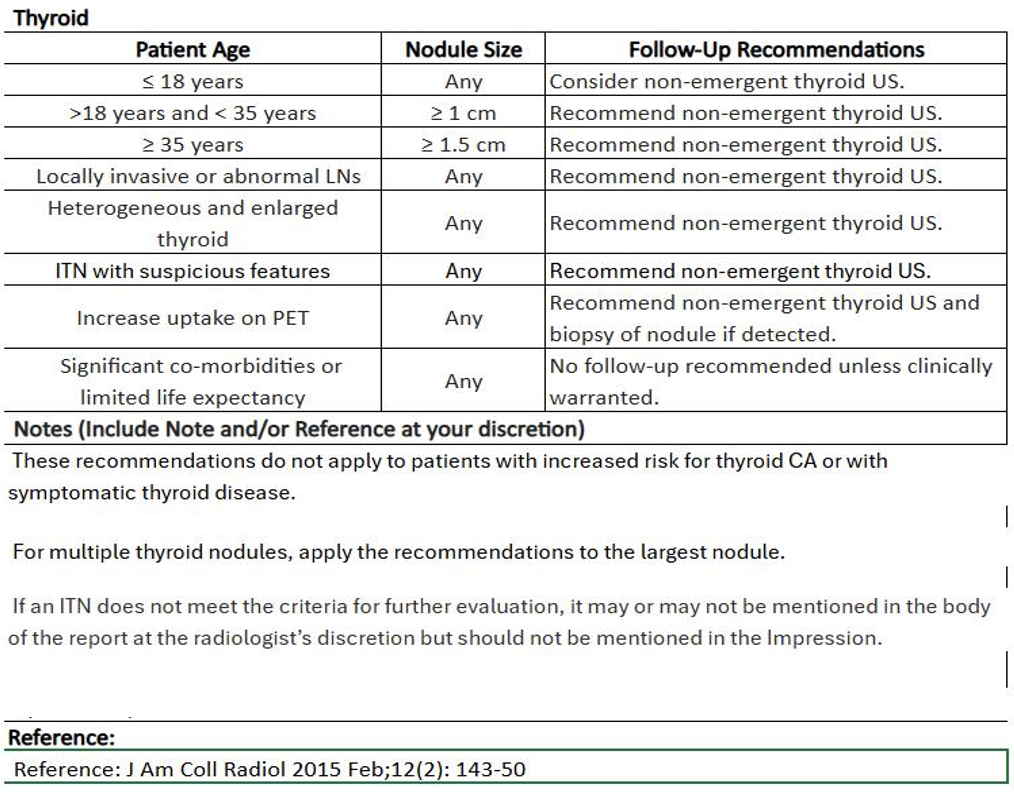
Figure 1. Best Practice Recommendations Overview
ITNs were identified through retrospective review of radiology reports. Cases were considered incidental when a thyroid nodule was identified on CT imaging performed for indications unrelated to thyroid disease. Cases with previously known thyroid malignancy or dedicated thyroid imaging indications were excluded.
Following identification of potential ITNs, radiology reports were retrospectively reviewed by analysts to determine whether lesions fulfilled BPR criteria for follow-up recommendation. Data reviewed included patient age, nodule size, imaging characteristics of the nodule, presence of local invasion or abnormal cervical lymph nodes, heterogeneous or enlarged thyroid glands, and follow-up recommendations documented in the radiology report.
Cases were reviewed retrospectively by study investigators to determine whether radiology recommendations were concordant with BPR criteria. Recommendations were categorized as:
“No Follow-up,” defined as either no recommendation provided or explicit recommendation that no further follow-up was necessary
“Recommend Ultrasound”
“Recommend Ultrasound and Biopsy”
Appropriateness of follow-up recommendations were adjudicated based on BPR criteria by reviewer consensus. Appropriate follow-up rate was defined as the proportion of patients meeting BPR criteria who received a follow-up recommendation. Appropriate non-follow-up rate was defined as the proportion of patients not meeting BPR criteria who appropriately did not receive follow-up recommendations.
Crosstabulation analysis was performed to assess associations between follow-up recommendations and key clinical and imaging variables. Statistical significance was assessed using Pearson’s Chi-Square test, with Fisher’s Exact Test applied when expected cell counts were fewer than five. Comparisons between pre- and post-BPR cohorts for appropriate follow-up and appropriate non-follow-up rates were performed using Fisher’s Exact Test for statistical significance. A two-sided p-value of <0.05 was considered statistically significant. Statistical analysis was performed in consultation with a statistician.
Results
A total of 4,089 CT examinations were retrospectively reviewed, including 2,338 examinations in the pre-BPR period and 1,751 examinations in the post-BPR period. As seen in Table 1, a total of 39 ITN cases were identified in the pre-BPR period and 303 in the post-BPR period. The majority of ITN cases (88.6%) occurred after guideline implementation. Significant differences were observed in Comorbidities/Limited Life Expectancy and Local Invasion/Abnormal Lymph Nodes, while other factors, such as Age Range, Nodule Size, and Follow-Up Recommendations, showed no statistically significant differences. Comorbidities or limited life expectancy were documented significantly more often post-BPR than pre-BPR (29.7% vs. 7.6%, p < 0.05). Local Invasion/Abnormal Lymph Nodes were documented significantly more often pre-BPR than post-BPR (23% vs. 5%, p < 0.05).
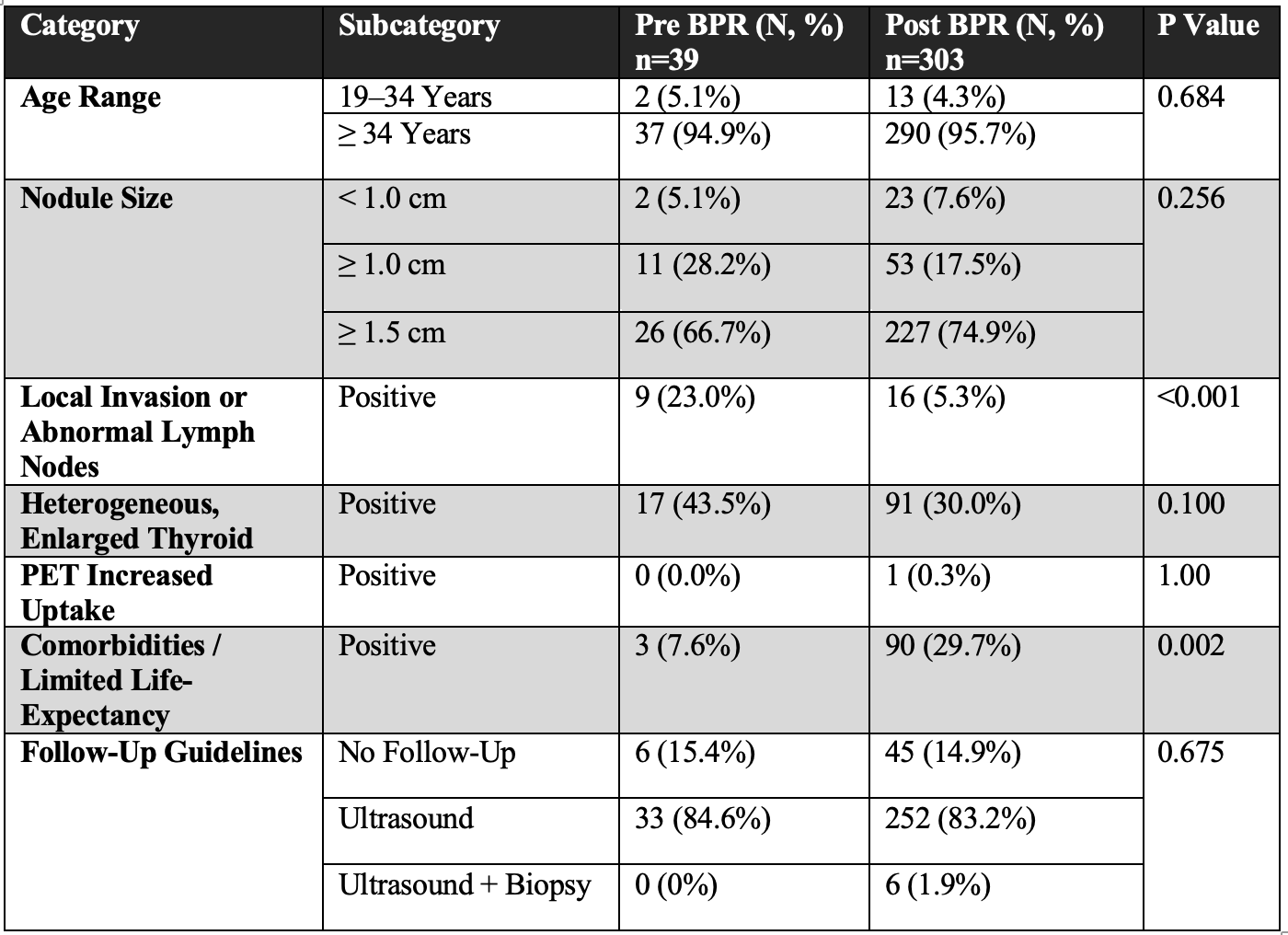
Table 1. Distribution of ITN Findings Pre- and Post-BPR Implementation
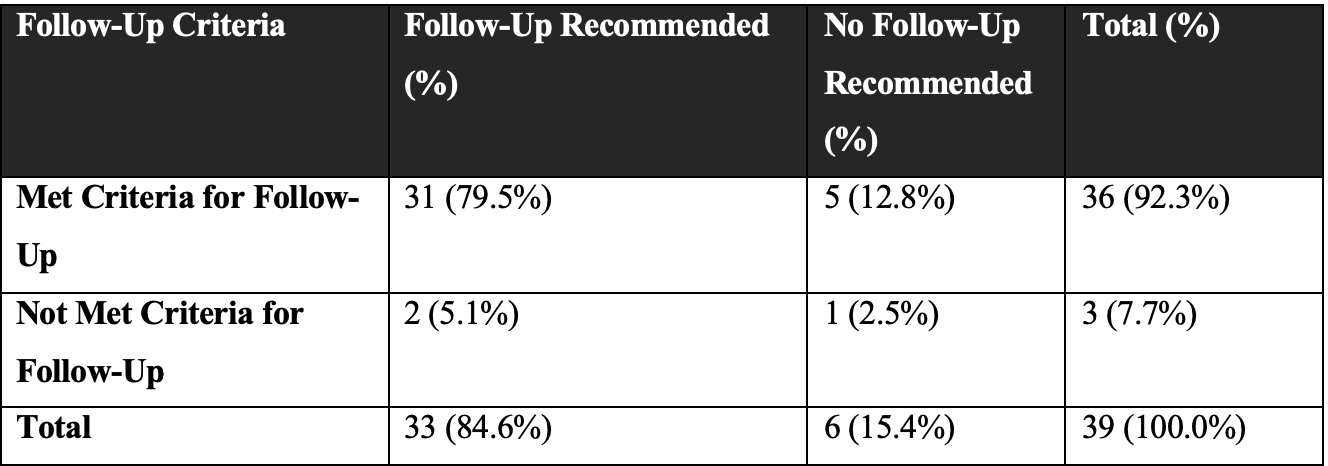
Table 2. Pre-BPR: Concordance of Recommendations with Criteria for Follow-up
Table 2 displays the percentage of cases that were acted on appropriately or inappropriately in the Pre-BPR group. Of all 39 cases in the pre-BPR group, 79.5% met criteria for follow-up and were appropriately recommended for follow-up. 12.8% of cases met criteria for follow-up but inappropriately did not receive a follow-up recommendation. 5.1% of cases did not meet criteria for follow-up and inappropriately received a recommendation for follow-up. 2.5% of all cases did not meet criteria for follow-up and appropriately did not receive a recommendation for follow-up.
Regarding just the cases that met follow-up criteria, the majority (86.1%), were appropriately recommended for ultrasound, while 13.9% inappropriately did not receive a recommendation for follow-up. For the 3 cases that did not meet follow-up criteria, 33.3% appropriately did not receive a recommendation for follow-up, while 66.7% of cases inappropriately received a recommendation for ultrasound. In the Pre-BPR cohort, no cases explicitly stated “no follow-up necessary.”
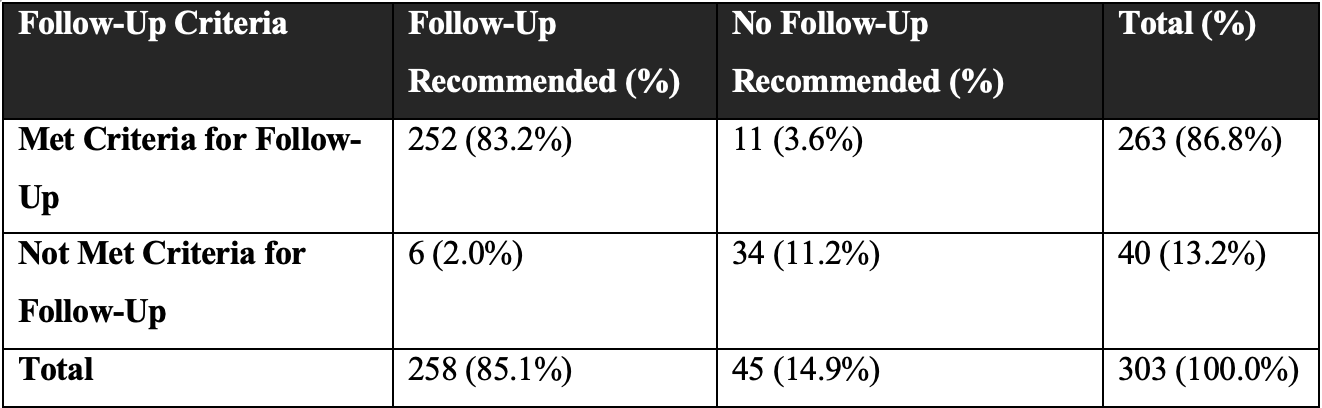
Table 3. Post-BPR: Concordance of Recommendations with Criteria for Follow-up
Table 3 displays the percentage of cases that were acted on appropriately or inappropriately in the Post-BPR group. Of all 303 cases in the post-BPR group, 83.2% met criteria for follow-up and were appropriately recommended for follow-up. 3.6% of cases met criteria for follow-up but inappropriately did not receive a follow-up recommendation. 2.0% of cases did not meet criteria for follow-up and inappropriately received a recommendation for follow-up. 11.2% of cases did not meet criteria for follow-up and appropriately did not receive a recommendation for follow-up.
Regarding just the cases that met follow-up criteria, the majority were recommended for ultrasound (93.5%) or ultrasound and biopsy (2.3%), while 4.2% inappropriately did not receive a recommendation for follow-up. For the cases that did not meet follow-up criteria, 85% appropriately did not receive a recommendation for follow-up, while 15% of cases inappropriately received a recommendation for ultrasound. In the Post-BPR cohort, 25 cases explicitly stated “no follow-up necessary” or similar phrasing.
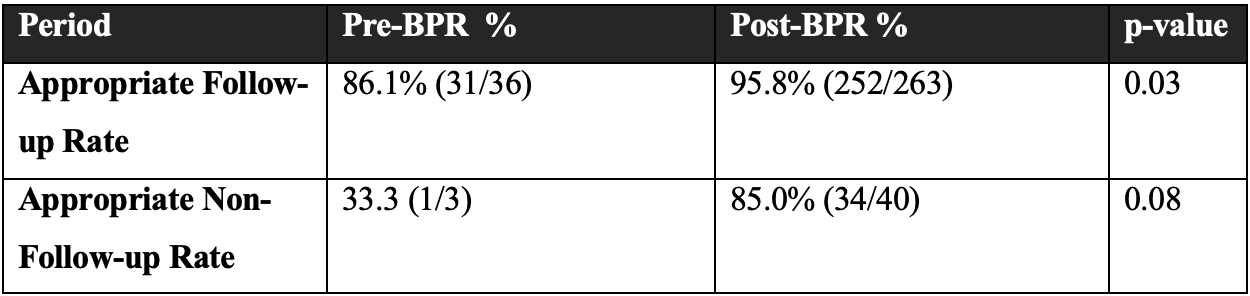
Table 4. Pre-BPR vs Post-BPR Appropriate Follow-Up Recommendations
Table 4 compares how often radiologists made appropriate follow-up decisions in the pre- and post-BPR periods. The Appropriate Follow-up Rate reflects the proportion of patients who met criteria and were correctly recommended for follow-up. The Appropriate Non–Follow-up Rate reflects the proportion of patients who did not meet criteria and were correctly not recommended for follow-up. Following guideline implementation, the Appropriate Follow-up Rate statistically significantly increased from 86.1% to 95.8% (p = 0.03). The Appropriate Non–Follow-up Rate also increased, from 33.3% to 85.0%, though this difference was not statistically significant (p = 0.08).
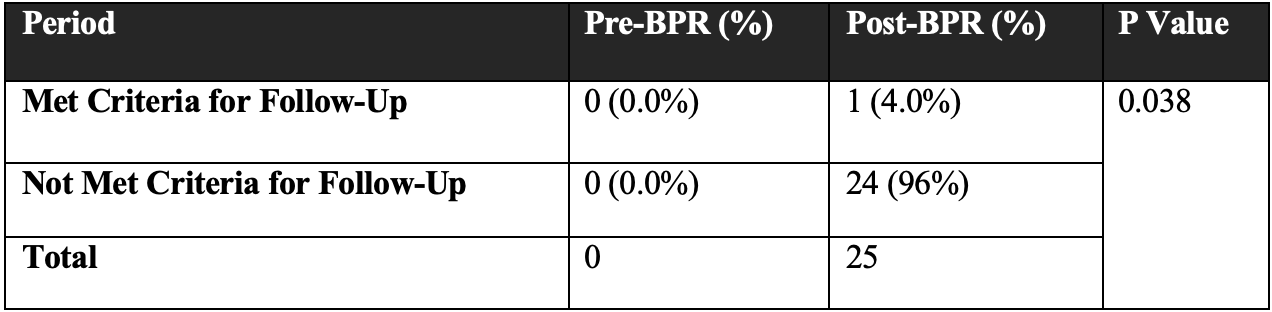
Table 5. Inclusion of “No Follow-up Necessary” Text
Table 5 displays the 25 cases in which “No Follow-Up Necessary” or similar phrasing was included in the report. All 25 cases were within the Post-BPR group. Of the cases that contained this text, 96% were used appropriately when the nodule did not meet criteria for follow-up, while 1 case (4%) did meet the criteria for follow-up. The post-BPR period had a statistically significant increase in inclusion of the “No Follow-Up Necessary” text with p value of 0.038.
Discussion
This study investigated the clinical impact of the Best Practice Recommendations (BPR) program for reporting of incidental thyroid nodules (ITNs). The hypothesis was that the BPR would improve the fraction of cases with ITNs which met criteria for follow-up and received a follow-up recommendation (Appropriate Follow-up Rate) while also improving the rate of ITNs that did not meet criteria for follow-up and did not receive a follow-up recommendation (Appropriate Non–Follow-up Rate).
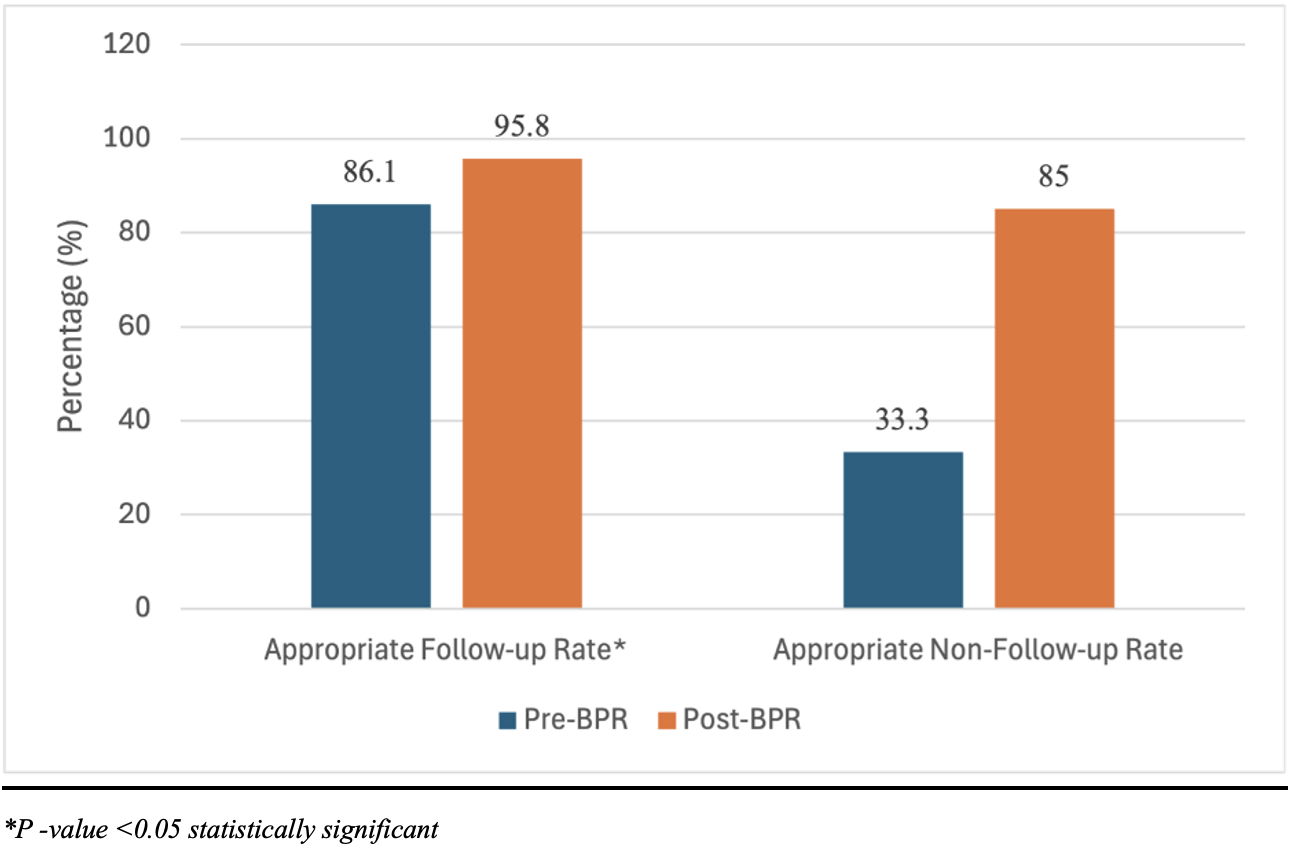
Figure 2. Distribution of Appropriate Follow-up Rate and Appropriate Non-Follow-up Rate in Pre- and Post-BPR Periods
Comparing pre- and post-guideline implementation of the BPR, we found that the Appropriate Follow-up Rate significantly improved from 86.1% in the pre-BPR period to 95.8% in the post-BPR period (Figure 2). We also found that the Appropriate Non-Follow-up Rate increased from 33.3% pre-BPR to 85.0% post-BPR. This did not show statistical significance, likely due to the small sample size in the pre-BPR group. Additionally, following BPR deployment, there was a significant increase in report language explicitly stating that no further workup was necessary, a finding that may carry even greater impact than simply omitting a follow-up recommendation in terms of limiting low-value care.
Reducing unnecessary follow-up imaging avoids wasteful spending, including potential biopsies and surgeries. Overdiagnosis of indolent thyroid cancers has led to overtreatment and billions of dollars in excess healthcare expenditure (13). Recent studies suggest that implementing guideline-driven management for ITNs is cost-effective, and likely cost-saving, from a health system perspective primarily by avoiding procedures on nodules unlikely to ever cause harm (14).
These results have important implications for clinical care and guideline implementation. This study suggests that structured, evidence-based recommendations can reduce unnecessary care which ultimately may reduce burdens on patients as well as wasteful healthcare spending. Simultaneously, the BPR improved the recommendation rate for nodules where additional care was indicated. Overall, these findings indicate that the BPR promoted high-value care.
Regarding the recommendation of “ultrasound and biopsy”; this only occurred in the post-BPR cohort, with these six cases representing 2% of the group. All met criteria for follow-up; accordingly, they were categorized as "follow-up recommended" for the purposes of analysis. However, there is insufficient data to confirm that the biopsy recommendation was clinically warranted. Without appropriate indication for biopsy, such recommendations could result in unnecessary procedures and increased healthcare costs. We believe these findings highlight an opportunity for targeted education and improved BPR adherence.
Despite its strengths, the study has limitations. The cross-sectional design precludes assessment of long-term patient outcomes or causal inference. The relatively small number of identified thyroid nodules in the pre-BPR period (39 cases) limits the statistical power for some analyses. We hypothesize that increased awareness of ITNs led to greater reporting of lesions that were previously overlooked or ignored. For reference, in the pre-BPR cohort, nodules were reported on 1.7% of scans. However, in the post-BPR cohort, nodules were reported on 17.3% of scans. Since most ITNs are benign, it is fair to ask whether greater detection and documentation could drive unnecessary downstream activities and resultant costs. We believe the appropriate balance is evidence-based practice: apply guidelines that limit follow-up for nodules with a very low likelihood of malignancy while ensuring timely care for the small proportion that truly warrant further evaluation. The statistical difference between cohort groups in comorbidities and abnormal lymph nodes most likely reflects local variability in how these findings were documented in radiology reports, and is unlikely to have meaningfully affected the results.
Additionally, the study only dealt with recommendations, not if the patient received the follow-up care. However, the goal of the BPR is to optimize the value provided by the radiologist in their report, with further decisions being left to the patient and referring physician.
Finally, the dataset is derived from a single organization, which may affect the generalizability of results to other populations or practice settings. A reliance on radiology reports and follow-up recommendations may not capture all clinical decision-making nuances, such as patient preferences or provider judgment. Additional studies would be useful to confirm statistical significance of the Appropriate Non-Follow-up Rate and quantify potential savings to the healthcare system.
Summary
This retrospective pre-post observational study found that after implementation of an evidence-based Best Practice Recommendation program for incidentally detected thyroid nodules, the Appropriate Follow-up Rate significantly improved from 86% to 96%. Additionally, the Appropriate Non-Follow-up Rate improved from 33% to 85%, though this did not quite reach statistical significance, likely due to the small sample size in the pre-BPR group. Additional studies would be useful to confirm statistical significance and quantify potential savings of the healthcare system.
References
1. Ahmed S, Horton KM, Jeffrey RB Jr, Sheth S, Fishman EK. Incidental thyroid nodules on chest CT: review of the literature and management suggestions. AJR Am J Roentgenol. 2010; 195(5):1066-71.
2. Hoang JK, Langer JE, Middleton WD, Wu CC, Hammers LW, Cronan JJ, Tessler FN, Grant EG, Berland LL. Managing incidental thyroid nodules detected on imaging: white paper of the ACR Incidental Thyroid Findings Committee. J Am Coll Radiol. 2015;12(2):143-50.
3. Hammer MM, Kong CY. Cost-effectiveness of follow-up ultrasound for incidental thyroid nodules on CT. AJR Am J Roentgenol. 2022; 218(4):615-622.
4. Fisher SB, Perrier ND. The incidental thyroid nodule. CA Cancer J Clin. 2018; 68(2):97-105.
5. Haugen BR, Alexander EK, et al. 2015 American Thyroid Association management guidelines for adult patients with thyroid nodules and differentiated thyroid cancer. Thyroid. 2016 Jan;26(1):1-133.
6. Tessler FN, Middleton WD, et al. ACR Thyroid Imaging, Reporting and Data System (TI-RADS): white paper of the ACR TI-RADS Committee. J Am Coll Radiol. 2017;14, 587-595.
7. Hoang JK, Middleton WD, Tessler FN. Update on ACR TI-RADS: successes, challenges, and future directions. AJR Am J Roentgenol. 2021;216(3):570-578.
8. Grady AT, Sosa JA, et al. Radiology reports for incidental thyroid nodules on CT and MRI: high variability across subspecialties. AJNR Am J Neuroradiol. 2015; 36(2):397-402.
9. Lehnert BE, Sandstrom CK, Gross JA, Dighe M, Linnau KF. Variability in management recommendations for incidental thyroid nodules detected on CT of the cervical spine in the emergency department. J Am Coll Radiol. 2014;11(7):681-685.
10. Bongiovanni M, Spitale A, Faquin WC, Mazzucchelli L, Baloch ZW. The Bethesda system for reporting thyroid cytopathology: a meta-analysis. Acta Cytol. 2012;56(4):333-339.
11. Uppal N, Collins R, et al. Thyroid nodules: global, economic, and personal burdens. Front Endocrinol. 2023;23;14:1113977.
12. Lubitz CC, Kong CY, et al. Annual financial impact of well-differentiated thyroid cancer care in the United States. Cancer. 2014;120(9):1345-52.
13. Chan AJ, Sarrazin J, Halperin IJ, Hack K, Weinerman A. Quality improvement initiative to standardize thyroid ultrasound reports and reduce unnecessary fine-needle aspiration biopsies of thyroid nodules. BMJ Open Qual. 2022;11(1):e001769.
14. Toro-Tobon D, Thao V, Borah BJ, Soto Jacome C, Larios F, Guevara K, Vilatuna Andrango L, Proano AC, Fan JW, Loor-Torres R, Al Zahidy M, Cabezas E, Wu Y, Branda ME, Singh Ospina N, Brito JP. Evaluating the total healthcare cost of inappropriately ordered thyroid ultrasounds. J Endocr Soc. 2025;9(10):bvaf143.